Discovery in 1503
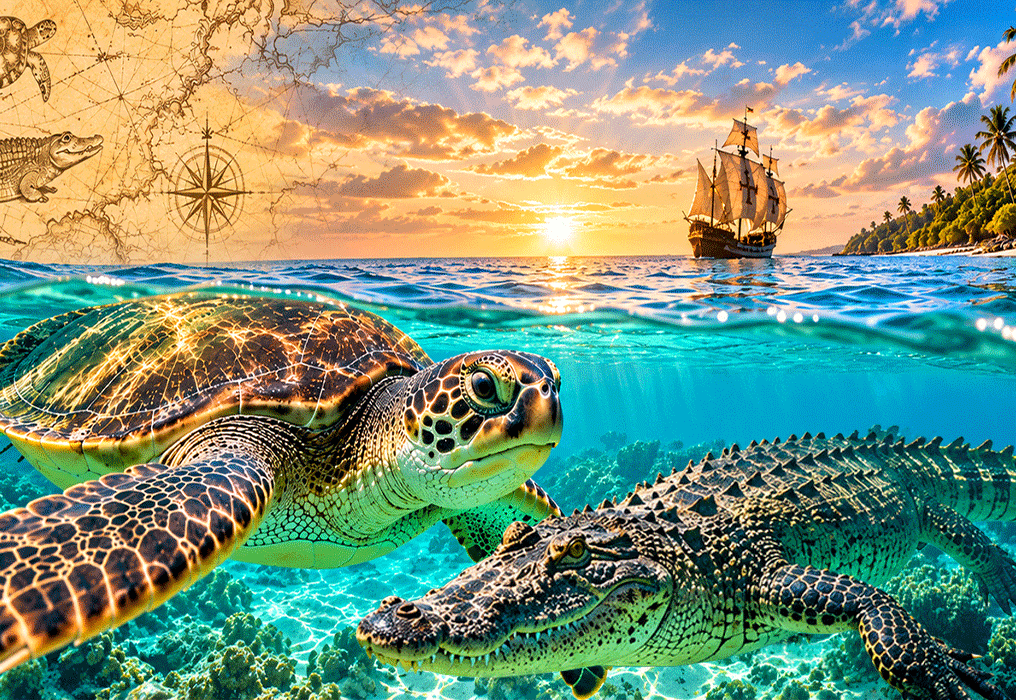
In the year 1503, when the fourth expedition to the New World by Christopher Columbus was blown off course by a violent storm, The Cayman Islands were discovered. The islands were first named Las Tortugas, Spanish for the turtles found in and around the islands.
The Name “Caymanas”
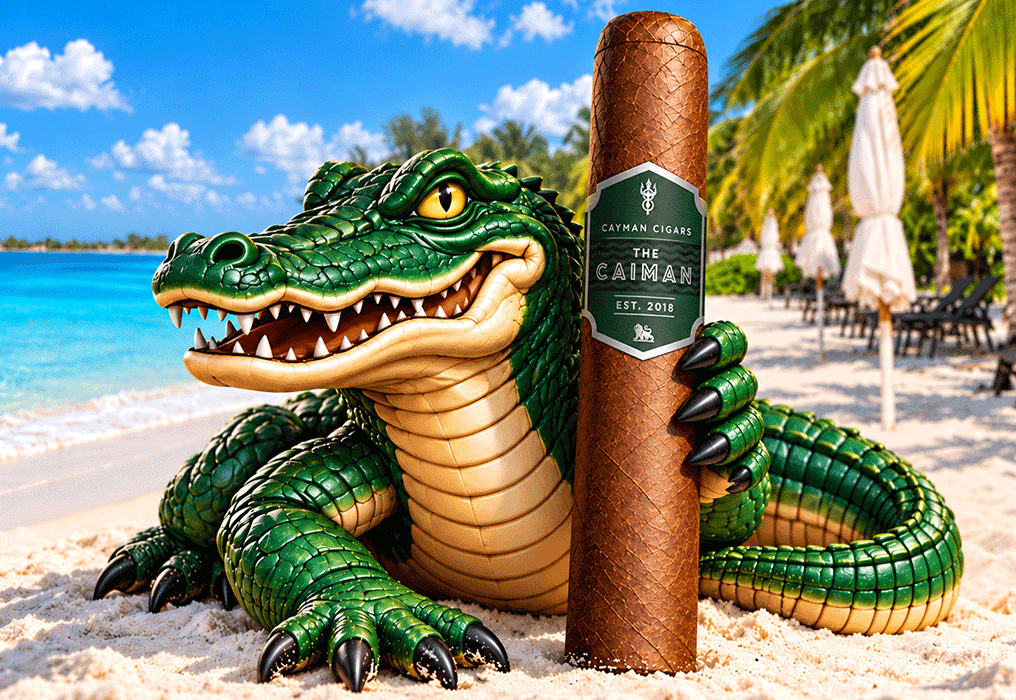
By 1523, the islands were referred to as Los Lagartos, meaning large lizards. The earliest known map, the Turin Map drawn in 1523, shows both turtles and reptiles on land and in the sea. In 1530, the name Caymanas, a term for a native marine crocodile, was in use. Sir Francis Drake’s expedition in 1586 reported “great serpents called Caymanas.” “Caiman” is a word used by both Arawak and Carib Indians to mean crocodile, and rhymes with "skyman."
A Lasting Natural Symbol
The early explorers found that turtle meat was tasty and served as a bountiful provision, but the crocodile was tough and not flavorful. Through the years the Caiman became extinct, but the turtles still thrive in Cayman.