News & Updates
What Makes a Limited Release Worth the Investment

There are a lot of cigars out there with the words “limited edition” on the band. Some earn it. Most don’t.
The distinction matters – not just to collectors, but to anyone who’s ever paid a premium for something that turned out to be ordinary tobacco in a fancy box. At this point, the phrase has been stretched thin enough that it barely means anything without context.
So what actually separates a genuine limited release from manufactured scarcity? And how do you know the difference before you commit?
Scarcity Is Easy. Meaning Is Hard.
Any brand can print a number on a box and call something rare. True scarcity in premium cigars comes from something you can’t manufacture on demand – aged tobacco.
Tobacco takes years to develop the complexity that makes a great cigar worth smoking slowly. Specific leaf vintages from specific growing regions don’t sit in unlimited supply waiting for the right marketing moment. When a blender finds a combination that works – when a particular wrapper, binder, and filler come together in a way that produces something genuinely uncommon – there’s a fixed amount of that available. Full stop.
That’s the foundation of a real limited release. Not a marketing deadline. Not a production cap set in a boardroom. The tobacco itself sets the ceiling.
The Factory Relationship That Makes It Possible
Behind most genuine limited releases is a relationship – between a brand and a master blender, or between a brand and a factory that opens its doors to something experimental.
These collaborations don’t happen through a catalog. They happen because trust has been built over time. A factory with a reserve of something special doesn’t offer access to just anyone – they offer it to partners who understand tobacco, respect the craft, and won’t cheapen what’s being created.
When Cayman released the Cutlass in 2024 – a 5×50 Robusto with a Habano wrapper, produced in a run of just 2,500 cigars – it came through exactly that kind of partnership. It was the brand’s first collaboration using Nicaraguan tobacco, and it opened a door. The Cutlass smoked like something with institutional knowledge behind it: allspice, cedar, and cinnamon on a clean, consistent burn. Medium to medium-plus body. A profile that didn’t happen by accident.
That release established something important: Cayman doesn’t use limited editions as a line extension strategy. They’re a distinct discipline – built differently, sourced differently, and produced only when the tobacco and the partnership justify it.
How to Read a Limited Release Before You Buy
If you’re evaluating whether a limited release is worth your money, a few questions cut through the noise quickly.
Where did the tobacco come from? Vague answers here usually mean the scarcity is artificial. A brand confident in its sourcing will tell you the region, the wrapper origin, and why those leaves are difficult to replicate.
Who made it? A named blender with a reputation at stake is a meaningful signal. Anonymous production at an unnamed factory is not.
Does the brand have a track record? A first limited release from a brand with no history is a gamble. One that follows demonstrated craft is a different conversation.
Does the number mean something? 250 boxes is different from 25,000. The production ceiling should reflect actual supply constraints, not what sounds impressive in a press release.
Keep those questions in mind as you read what follows.
Introducing Tortuga
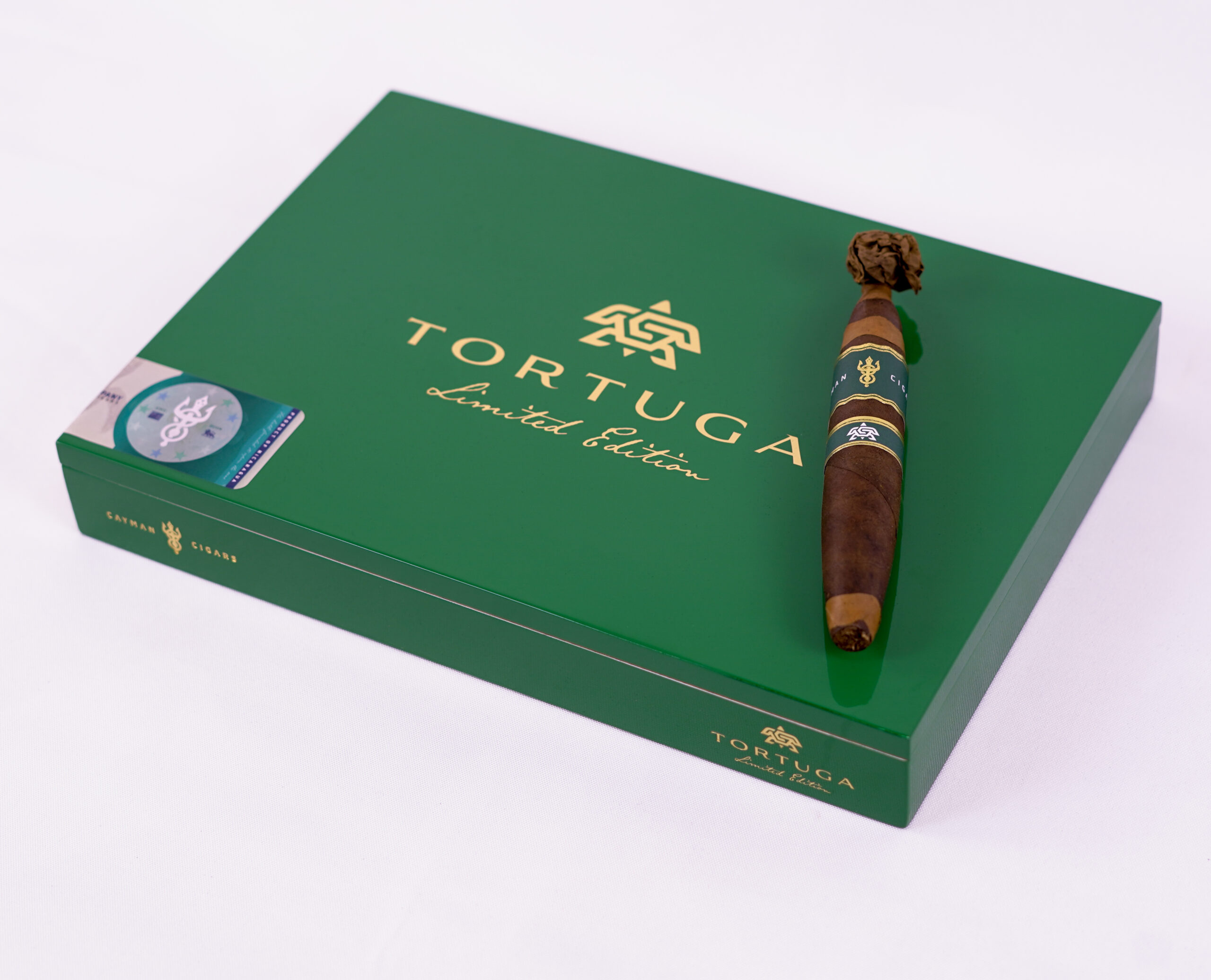
Cayman’s next limited release is called Tortuga, and it debuts at PCA 2026 in New Orleans this April.
The name reaches back to the founding story of the Cayman Islands. When Christopher Columbus first sighted the islands in 1503, he named them “Las Tortugas” after the abundance of sea turtles in the surrounding waters. The turtle has been woven into Caymanian identity ever since – appearing on the national flag, currency, and coat of arms. It’s a symbol of patience, resilience, and the kind of quiet endurance that doesn’t announce itself.
That’s a deliberate choice for a cigar that takes its time.
Tortuga is produced at Tabacalera Familia Disla in Nicaragua and blended by master cigar maker Esteban Disla – using aged premium tobaccos selected specifically for their balance and complexity. The result is a bold spice profile tempered by a natural sweetness, designed for experienced smokers who want something rich and layered rather than loud.
Only 250 boxes will be produced. Available exclusively through select brick-and-mortar retail partners across the United States, at $24 per cigar. Retailers attending PCA get first access.
“Tortuga represents everything we love about cigar making – patience, heritage, and the pursuit of excellence,” said Scott Haugh, Founder of Cayman Cigar Company. “This release was designed to be something special for retailers and enthusiasts alike. It’s a cigar that rewards those who take the time to slow down and truly experience it.”
Back to Those Questions
Where did the tobacco come from? Nicaragua, aged, selected by a blender with his name on the factory.
Who made it? Esteban Disla – whose family’s factory has built a reputation worth protecting.
Does the brand have a track record? The Cutlass answered that in 2024.
Does the number mean something? 250 boxes. Brick-and-mortar only. No online allocation.
– – –
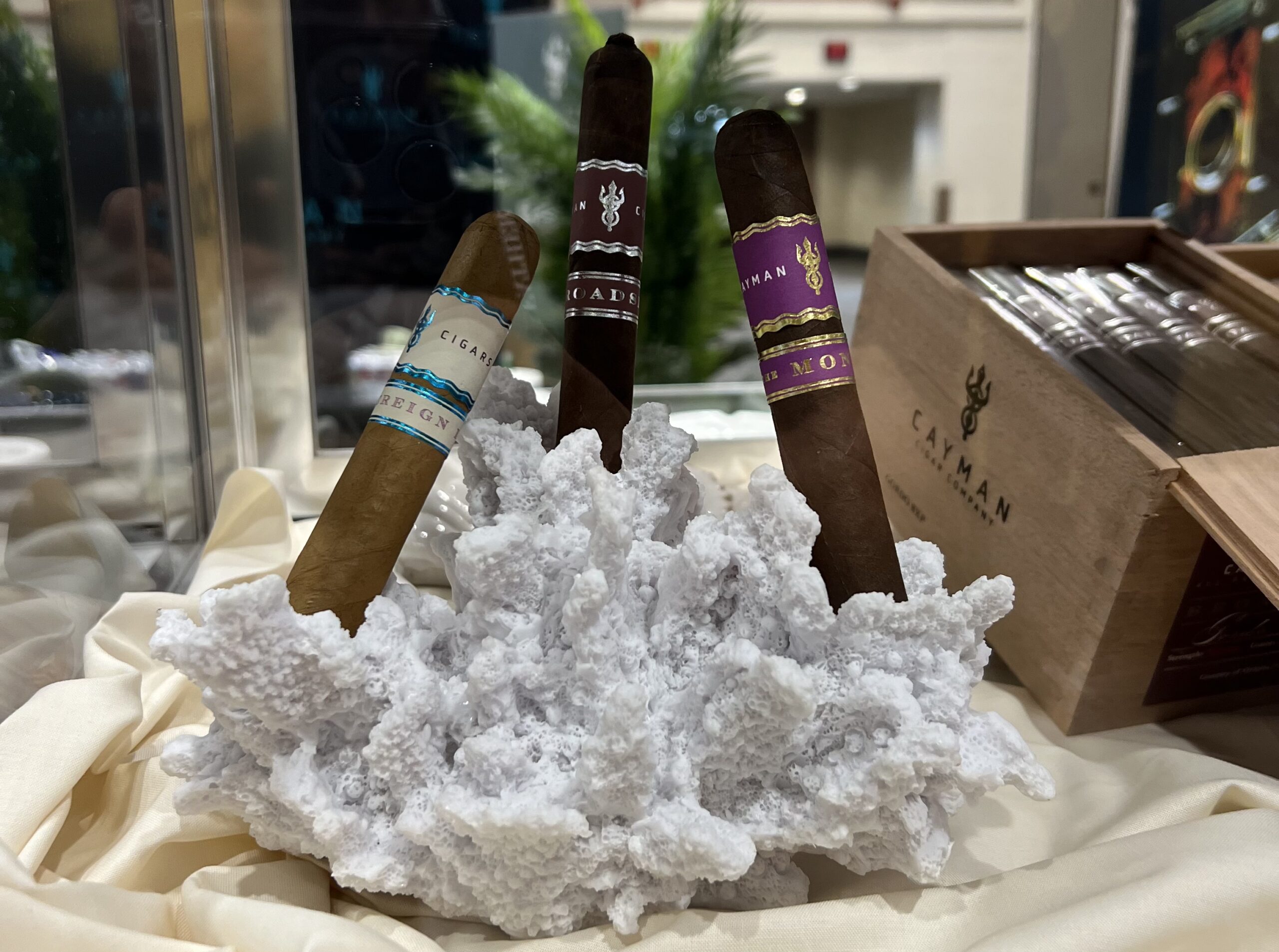
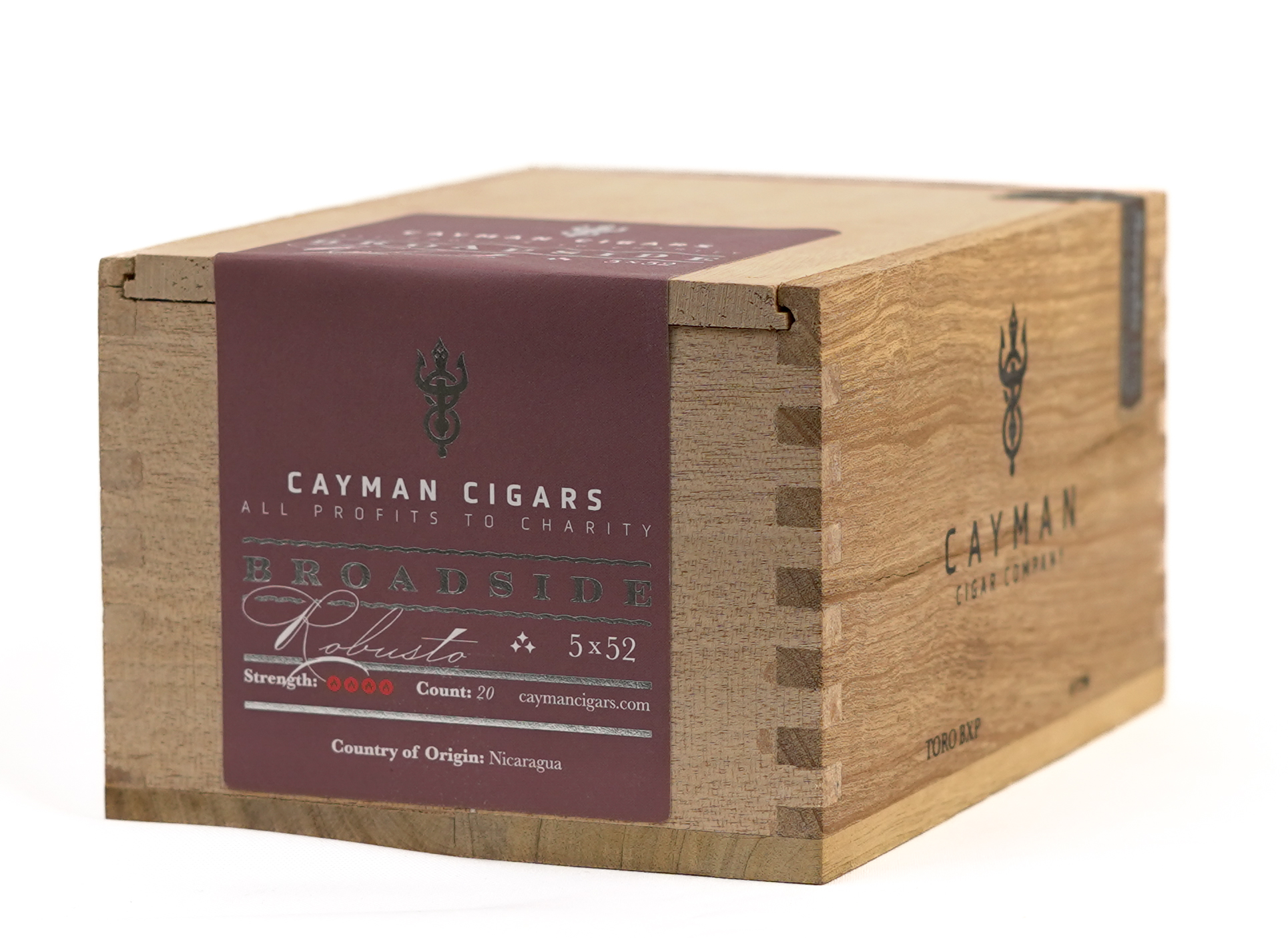
The Cayman core line – the Sovereign #2, Mariner, Monarch, Doubloon, and the recently announced Broadside – is where the everyday relationship with the brand lives. The limited releases are where that relationship gets tested. They’re proof that what we say about sourcing and craft isn’t just positioning.
When the tobacco is there, we use it. When it isn’t, we wait.Tortuga is available through select retail partners. Find a Cayman retailer near you here.
- Building a Core Line That Actually Works: The Philosophy Behind Portfolio Design
- What Makes a Limited Release Worth the Investment
- Cayman Cigar Company Introduces Broadside, a Bold New Core Line Debuting at PCA 2026
- Cayman Cigar Company Announces Limited Edition Tortuga Release Ahead of PCA 2026
- Why We Donate 100% of Net Profits (And Always Will)