



News & Updates
Cigar Rolling Master Class: How to Roll a Cigar the Cayman Way

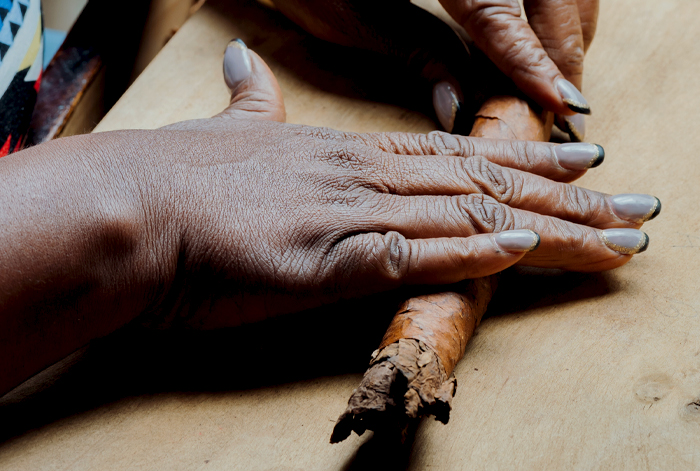
Learning how to roll a cigar can’t be that difficult, can it? You just roll up tobacco leaves and slap a cigar band on it, right? True, anyone can learn to roll cigars. However, it takes years of experience and training to roll cigars. It requires the skill and consistency that today’s premium cigars require.
So, how do cigar makers make it look so easy? We’ll show you how Cayman Cigar Company’s master rollers approach their craft. Also, how it takes more than one person to craft a premium cigar. You’ll gain a greater appreciation for hand-rolled cigars and the value and satisfaction they bring to the cigar smoking experience. So, join us as we journey through it step by step. Learn how our elite team of cigar makers roll your favorite Cayman cigars.
What Makes Hand-Rolled Cigars the Best?
Hand-rolled cigars rank as the world’s best because of the experienced hands of cigar makers. They ensure quality at every step of the cigar-making process. This human element, more than anything else, makes hand rolled cigars so unique. While machines can roll cigars faster, they cannot duplicate the artistry, the passion for quality that artisans put into making a great hand rolled cigar.
Crafting a hand-rolled cigar is a communal effort that requires the collective effort of tobacco growers, blenders, rollers, and more. A single, hand-rolled cigar can require as many as 150 to 200 different pairs of hands. This is from the time seeds are planted to when the finished product reaches cigar store shelves. So, even the most experienced cigar roller relies upon a dedicated team to create a hand rolled cigar.
How to Roll a Cigar
Hand-rolling cigars is a true art form that requires skill, patience, and persistence. Yet, there is more to making a cigar than simply rolling tobacco leaves together. As with all cigars found within the Cayman Cigar collection, cigar rolling is a multi-step adventure stretching from the field to the factory and your hand.
Tobacco Harvesting, Curing, and Fermentation
Tobacco seeds are nurtured for about two months until they become seedlings ready to be transplanted to select fields. The tobacco plants reach maturity between two and four months when leaves are ready for removal or “priming.” Stalk priming is a method that removes the entire tobacco stalk with leaves. Leaf priming is the process of removing 2 or 3 tobacco leaves at a time from the stalk. This is the process we use at Beacon Farms. Staggering the priming allows different parts of the plant to receive different levels of sunlight and nutrients, which affect a tobacco’s character.
Tobacco leaves are usually harvested from the plant’s bottom to the top. So, the first to be primed are the lower Volado leaves, followed by Seco leaves from the middle of the plant. The uppermost leaves, Ligero, are primed last and offer more intensity in body and taste due to extended sun exposure.
Tobacco leaves are sorted and bundled into “hands” and hung to dry in curing barns for 6 to 8 weeks, allowing moisture, ammonia, and green chlorophyll to escape the leaves. The leaves are then ready for fermentation, removing remaining ammonia and other unwanted materials from the leaf.
Premium tobacco is fermented naturally using a method that requires tobacco leaves to be placed in stacks called “pilons,” which are rotated from bottom to top to ensure even fermentation. The weight of the stacks creates the pressure and heat required to expel impurities from each leaf. Some tobaccos might undergo several fermentations to achieve the cigarmaker’s desired effect.
Once fermentation is complete, tobacco is ready for aging, a process ranging from weeks to years. When cigarmakers determine the tobacco is ready to make its way to the factory floor, it is re-humidified with temperature and humidity carefully monitored throughout the process. Re-introducing moisture to the leaves ensures the leaves are pliable enough for cigarmakers to use without fear of damaging the leaf.
Next, the leaves go through the stemming process, where stems are stripped from each leaf. This aids in the cigar roller’s ability to roll tobacco with the consistency necessary to ensure a smooth, even-burning cigar. Then, the tobacco is sent to the sorting area for another round of classification. Tobacco leaves are sorted by type, size, color, and level of quality. The tobacco is then ready to be bunched and rolled into a premium handmade cigar.
A Note About Tobacco Blending
Tobacco blending is crucial to the success of a hand-rolled cigar, for how it tastes, burns, and evolves during the smoke. So, blenders consider not only the level of strength and taste that tobacco yields yet also each leaf’s burn rate and combustibility and how it matches other leaves in a chosen blend.
Whether Ligero, Seco, or Volado, a leaf with a burn rate that matches poorly with other tobaccos in the blend can lead to a cigar that won’t stay lit or a cigar that burns too hot and fast. So, a master blender must be a combination of artist and scientist, using all their experience gained over many years in the industry to create an optimal blend for your cigar-smoking pleasure.
Bunching the Filler
Bunching filler leaves makes the “bunch,” the guts of the cigar. Numerous methods exist to bunch a cigar, yet most premium smokes use one of three methods, each done entirely by hand and bringing distinctive benefits to the cigar smoking experience.
The traditional Cuban Entubado or “tubular” method, has each filler leaf rolled into a tight tube, with many of these tubes then bunched together. While time-consuming and difficult, the expertly crafted, firm draw allows smoke to travel more freely through the cigar for a smooth, even burn.
However, no matter the method, a filler blend bunched too tightly or loosely adversely affects the draw, often rendering the cigar unsmokable. So, it takes great skill and precision to ensure a perfect draw. When the fillers have all been bunched together, they are rolled into a binder leaf. The binder leaf not only helps hold the filler blend in place, yet it also adds to the complexity of the cigar’s taste and aroma. The filler blend and binder leaf together are called the bunch. The bunch is then placed into wood or plastic molds, which are pressed and rotated for 30 to 90 minutes so each bunch conforms to its designated cigar shape.
Applying the Wrapper
Each bunch is ready for the wrapper leaf when removed from the mold trays. Applying the wrapper is one of the most challenging steps when learning how to roll a cigar. The cigar’s wrapper is what we see, so it must be aesthetically pleasing and pleasing to the nose and touch. So, cigarmakers use extra caution when handling wrapper leaves to ensure they are not damaged during the leaf’s journey from field to factory, where they are wrapped around the bunch.
Watching a wrapper leaf being applied by a master roller’s hands is a magical experience. A master cigar roller stretches, curves, wraps, and rolls the wrapper around the bunch with artistry, speed, and precision. Rollers shape and smoothen the wrapper as they go along to ensure it maintains an aesthetic look that adds value to the experience and delivers flavor, aroma, and texture to the smoke.
A Chaveta is used to trim the wrapper leaf and the flag, the shaped edge of the wrapper that folds over the head of the cigar. Natural, flavorless gum, often gum Arabic, is used to fix the flag in place, along with the cap. The cap is a separate sliver of wrapper leaf covering the cigar’s head.
Quality Checks, Sorting, and Packaging
Once cigars are rolled and wrapped, they undergo a series of quality control measures to ensure optimal construction and appearance. Cigars are usually weighed, measured, and color-graded, amongst other tests. Draw testing occurs at the binding stage, with both ends of the cigar open to measure the draw. Cigars cannot be draw tested after wrapping, as the cap prevents airflow.
Once sorted and tested, cigars are bundled together and put away in Spanish cedar. This is to allow the various tobaccos to “marry” harmoniously into a single blend. This allows time for humidity levels to lower to smokable levels. About 70% and for any remaining ammonia and other materials to dissipate. The length of time tobacco is stored in marrying rooms varies by blend and is left to the cigar maker to decide when cigars are ready to be removed for packaging and shipment.
Whether after weeks, months, or years, when cigars are deemed ready for release, they are moved to the banding area of the factory to be fitted with cigar bands. Natural gum is again used to affix the bands to cigars. Once banded, some cigars are placed inside cellophane sleeves for added protection during shipping and handling. The cigars are then checked for inconsistencies so that every cigar in a box matches perfectly in size and hue. The boxes are sealed and prepped for distribution and the journey from cigar shops to your humidor.
Is it Worth Rolling Your Own Cigars?
Rolling DIY cigars can be wildly gratifying. Creating cigars that smoke consistently and smoothly requires years of training and experience. One of the most difficult aspects of cigar-making is procuring high-quality tobacco necessary for crafting premium smokes.
Blending tobacco also requires great patience and fortitude. Tobacco must be blended for strength, body, and taste, as well as for combustibility. Finding the right mix of binder, filler, and wrapper tobacco to ensure the cigar burns properly can be a maddening experience.
So, is it worth rolling your own cigars? Only you can be the judge. However, the time, money, and frustration when rolling your cigars can bring mixed results at best. Luckily, that is where Cayman Cigar Company comes in. Nothing is as satisfying as letting master rollers at the peak of their craft do all the work for you. This is so you can relax with a premium hand-rolled Cayman cigar.
Share Our Journey: Hand-Rolled Cigars With a Purpose
The Cayman Cigar experience does not end when you smoke a Cayman cigar. We want to make the world a better place by helping those in need. So, Cayman Cigar Company donates 100% of our cigar sales to charitable partners. In addition, we strive to maintain responsible, sustainable, environmentally friendly practices throughout our entire cigar-making process.
So, as you smoke your Cayman cigar, you will not only appreciate the passion that many craftspeople infuse into our cigars. Yet, you will also enjoy the satisfaction of helping Cayman Cigar Company spread goodwill and support to those needing a helping hand throughout the Caymans and the world.
Find the Best Hand Rolled Cigars at Cayman Cigar Company
Now that you know how a cigar is rolled, you can appreciate the tremendous skill and cooperation that goes into crafting hand-rolled Cayman cigars. Enjoy a more gratifying cigar experience! Help brighten the lives of those in need by smoking a premium, hand-rolled cigar. So, taste the hand-rolled difference for yourself. Discover Cayman Cigars online today.